
A window that won’t open again
Warranty plans work in stages: the first year covers visible workmanship defects and unfinished work, three years covers existing workmanship defects that weren’t visible, and five years covers construction defects. Each deadline closes a door for good.
An end-of-warranty inspection is a systematic review before the deadline: it looks specifically for what, if not reported in writing, becomes your problem — and your bill — the following month.
What we look for first
- Structural cracking and foundation movement since delivery.
- Water infiltration, signs of moisture, condensation in the attic or at windows.
- Faulty caulking, flashing and perimeter drainage.
- Poorly connected ventilation, inadequate insulation, thermal bridges.
- Finishing work left incomplete at acceptance.
A report written to be filed
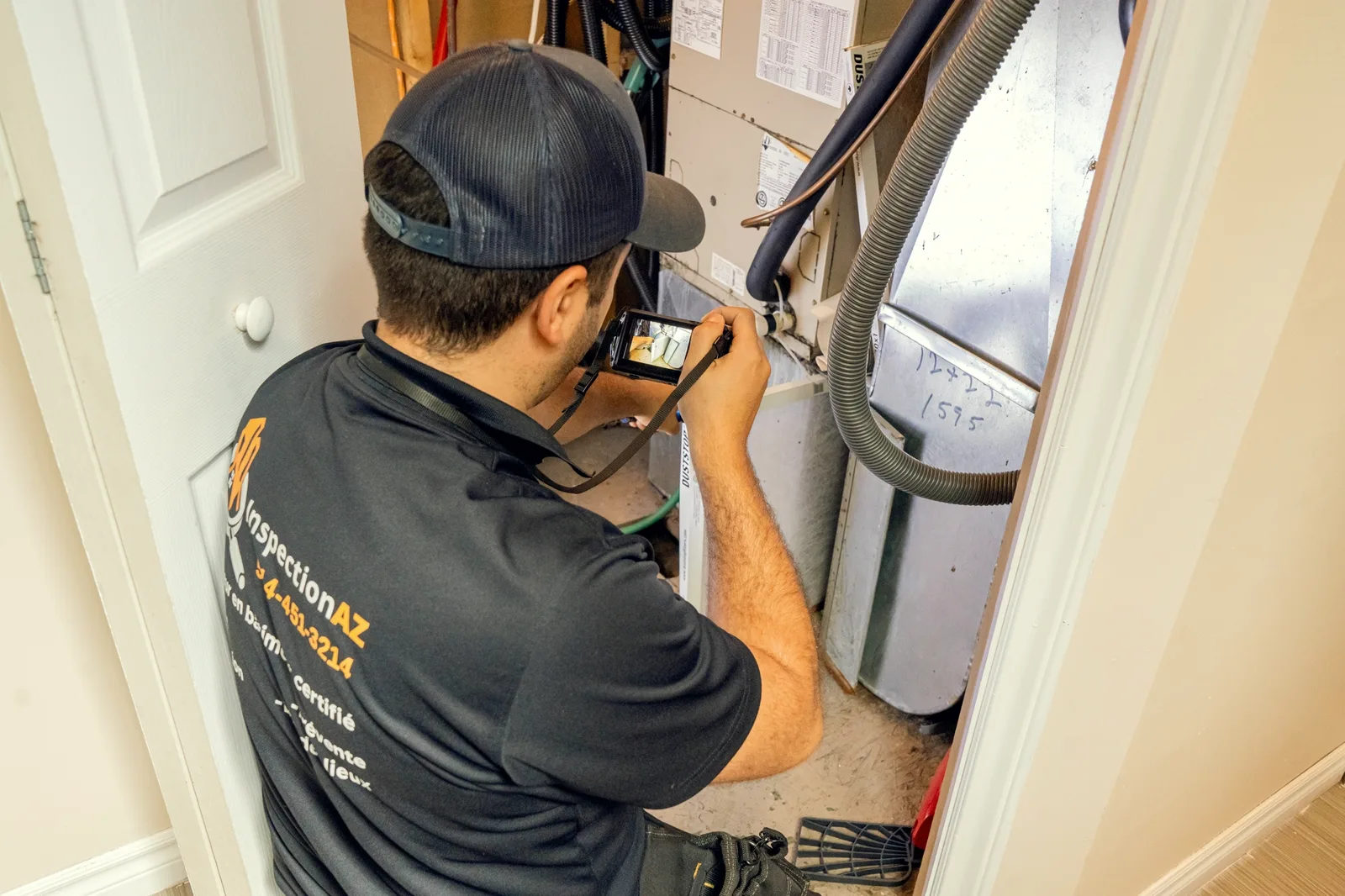
A warranty claim must be in writing, dated and specific enough to be processed. The report is built with that in mind: every finding is located, photographed and worded so it can be sent as is to the contractor or to the warranty plan administrator.
Waiting for the problem to become visible often means waiting one month too long.
Before the door closes.
- 01
Find your deadline
Pull out your acceptance form: it sets the start date for every deadline.
- 02
The visit
One month to six weeks before the deadline, to leave time to write and send your claim.
- 03
The report
Every finding located, photographed and worded to be sent as is.
- 04
Your claim
You send it to the contractor and the plan administrator, on time.